A reliable heating system is important for getting through the colder months in Boston. When temperatures drop, your furnace needs to work consistently to keep your home warm and comfortable. If your current furnace is getting old, needs frequent repairs, or struggles to heat your home evenly, replacing it may be worth considering.
Installing a new furnace is a significant investment, so it is important to choose the right system and have it installed correctly. Professional furnace installation in Boston can help ensure that your new heating system is properly sized, safely connected, and ready to provide dependable heat when you need it most.
When Is It Time to Replace Your Furnace?
Furnaces can last for many years when they receive proper maintenance, but no heating system lasts forever. As a furnace gets older, repairs may become more frequent and its efficiency may gradually decline.
One of the most obvious signs that you may need a replacement is an increase in heating bills without a major change in your usage. An aging furnace may have to run longer to produce the same amount of heat it once provided.
You may also notice uneven heating throughout your home. Some rooms may feel comfortable while others remain noticeably colder. Strange noises, frequent cycling, weak airflow, or difficulty maintaining the thermostat setting are other signs that your furnace may need professional attention.
If your furnace is approaching the end of its expected service life, it can be helpful to have an HVAC professional inspect it before a major problem occurs.
Choosing the Right Furnace for Your Home
There is no single furnace that is ideal for every home. The right choice depends on several factors, including the size of your property, existing ductwork, insulation, fuel type, and heating requirements.
Furnace size is particularly important. A system that is too small may struggle to heat your home during very cold weather. It may run for long periods without reaching the desired temperature. On the other hand, an oversized furnace can heat the space too quickly and cycle on and off more frequently than necessary.
An HVAC professional can evaluate your home and recommend an appropriate heating capacity. They can also review your existing ductwork and identify any issues that could affect airflow.
When comparing different furnaces, homeowners should also look at efficiency ratings, warranty coverage, operating costs, and the availability of replacement parts and service.
Why Proper Installation Matters
Buying an efficient furnace is only part of the process. The way the system is installed can have a major impact on its performance and reliability.
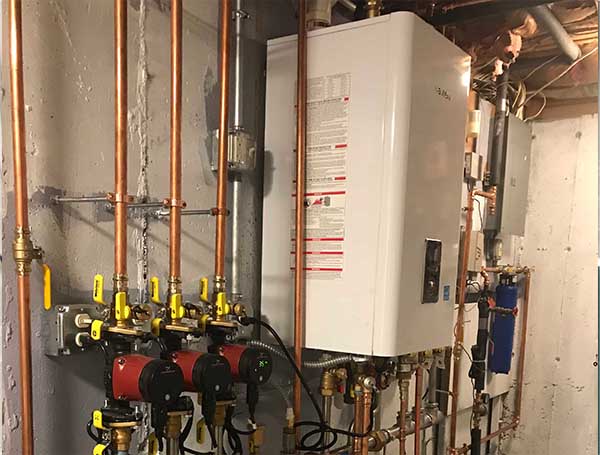
During professional furnace installation in Boston, technicians need to make sure the furnace is correctly positioned and connected to the home's heating system. Depending on the type of furnace, installation may involve gas lines, electrical connections, ventilation, ductwork, drainage, and other components.
Safety is another important consideration. Gas furnaces, in particular, require careful installation and proper venting. Incorrect connections or inadequate ventilation can create serious safety concerns.
A professional installation also gives technicians the opportunity to identify problems with the existing heating system. For example, damaged ductwork or restricted airflow may prevent a new furnace from operating as efficiently as expected.
What Happens During a Furnace Installation?
The installation process can vary depending on the furnace type and whether you are replacing an existing system or installing heating equipment in a home for the first time.
The process usually begins with an assessment of the property. The technician will review the existing heating equipment, ductwork, electrical setup, and other relevant components.
If an old furnace is being replaced, it will be safely disconnected and removed. The new unit is then positioned in the appropriate location and connected to the required systems.
The technician may also inspect the thermostat and ductwork to ensure that they work properly with the new furnace. Any necessary adjustments or upgrades should be discussed with the homeowner before the work is completed.
Once everything is connected, the furnace should be tested. The technician can check airflow, thermostat operation, safety controls, ignition, ventilation, and overall heating performance.
This final testing is an important part of the installation because it helps make sure the system is working as expected before regular use.
Preparing for a New Furnace
A little preparation can make the installation process easier. Before the technicians arrive, make sure the area around the existing furnace is accessible. Move boxes, furniture, or other items that could prevent easy access to the equipment.
If the furnace is located in a basement, utility room, or other enclosed area, clear a suitable path for removing the old equipment and bringing in the new unit.
It is also useful to discuss any heating concerns you have with your HVAC contractor. If certain rooms have always been colder than others, mention this before installation. The technician may be able to identify airflow or ductwork issues that can be addressed as part of the project.
Improving Furnace Efficiency
A new furnace can provide improved efficiency, but homeowners can take additional steps to help reduce unnecessary energy use.
Start with the basics. Replace or clean your furnace filter according to the manufacturer's recommendations. A clogged filter can restrict airflow and make the furnace work harder.
Proper insulation can also help your heating system. If heat is escaping through poorly insulated walls, attics, windows, or doors, your furnace may need to operate longer to maintain a comfortable temperature.
Using a programmable or smart thermostat can also help manage heating schedules. You can reduce the temperature when everyone is away or asleep and adjust it when the home is occupied.
Regular maintenance is another important part of keeping a furnace operating efficiently. A professional technician can inspect the system, clean important components, check safety controls, and identify potential issues.
How Much Does Furnace Installation Cost?
The cost of a new furnace varies from home to home. Factors such as the type and size of the furnace, installation complexity, existing ductwork, electrical or gas connections, and any required modifications can all affect the final price.
Instead of focusing only on the initial cost, consider the long-term value of the system. A properly sized and professionally installed furnace may provide reliable heating and efficient operation for many years.
When getting an estimate, ask the contractor what is included. A detailed quote should explain the equipment, installation work, warranty, and any additional services or modifications that may be required.
Getting more than one estimate can also help you understand the available options and make a more informed decision.
Getting Professional Help
A furnace is one of the most important systems in a home during the colder months. If your existing unit is becoming unreliable or expensive to operate, a new system may provide better comfort and peace of mind.
Professional furnace installation in Boston can help ensure that your heating equipment is properly selected, installed, and tested. An experienced HVAC technician can also answer questions about furnace efficiency, maintenance, thermostat settings, and other ways to improve indoor comfort.
Whether you are replacing an aging furnace or planning a new heating system, having the property evaluated first is a good place to start. The right equipment combined with proper installation can help keep your home warm throughout the heating season.
Ready to replace your furnace? Contact Service Right today to schedule a furnace installation assessment in Boston.
Frequently Asked Questions
1. How long does a furnace installation take?
A straightforward furnace replacement may take several hours. The exact time depends on the equipment, accessibility, existing connections, ductwork, and whether additional modifications are needed.
2. How do I know what size furnace my home needs?
Furnace size should be based on the heating requirements of your home rather than simply its square footage. An HVAC professional can evaluate factors such as insulation, windows, layout, and existing ductwork to recommend the appropriate size.
3. How often should a furnace be serviced?
Annual maintenance is generally recommended. Scheduling a professional inspection before the heating season can help identify potential problems and keep the system operating properly.
4. Can an old thermostat work with a new furnace?
It depends on the furnace and thermostat. Some older thermostats may work with newer systems, while others may need to be replaced or upgraded. Your HVAC technician can check compatibility during the installation.
5. What can cause uneven heating in my home?
Uneven heating can result from ductwork problems, restricted airflow, insulation issues, an improperly sized furnace, or other HVAC problems. A professional inspection can help determine the cause.
6. How can I make my new furnace last longer?
Regular maintenance, timely filter replacement, proper thermostat settings, and addressing small problems early can help maintain your furnace. Keeping the area around the equipment clear is also important.
7. Is professional furnace installation necessary?
Professional installation is strongly recommended, particularly for systems involving gas, electrical connections, ventilation, and safety controls. Proper installation helps the furnace operate safely and as intended.
8. When is the best time to replace a furnace?
Many homeowners choose to replace an aging furnace before the heating season begins. Planning ahead can give you more time to compare equipment and arrange installation instead of waiting for a complete system failure during cold weather.