
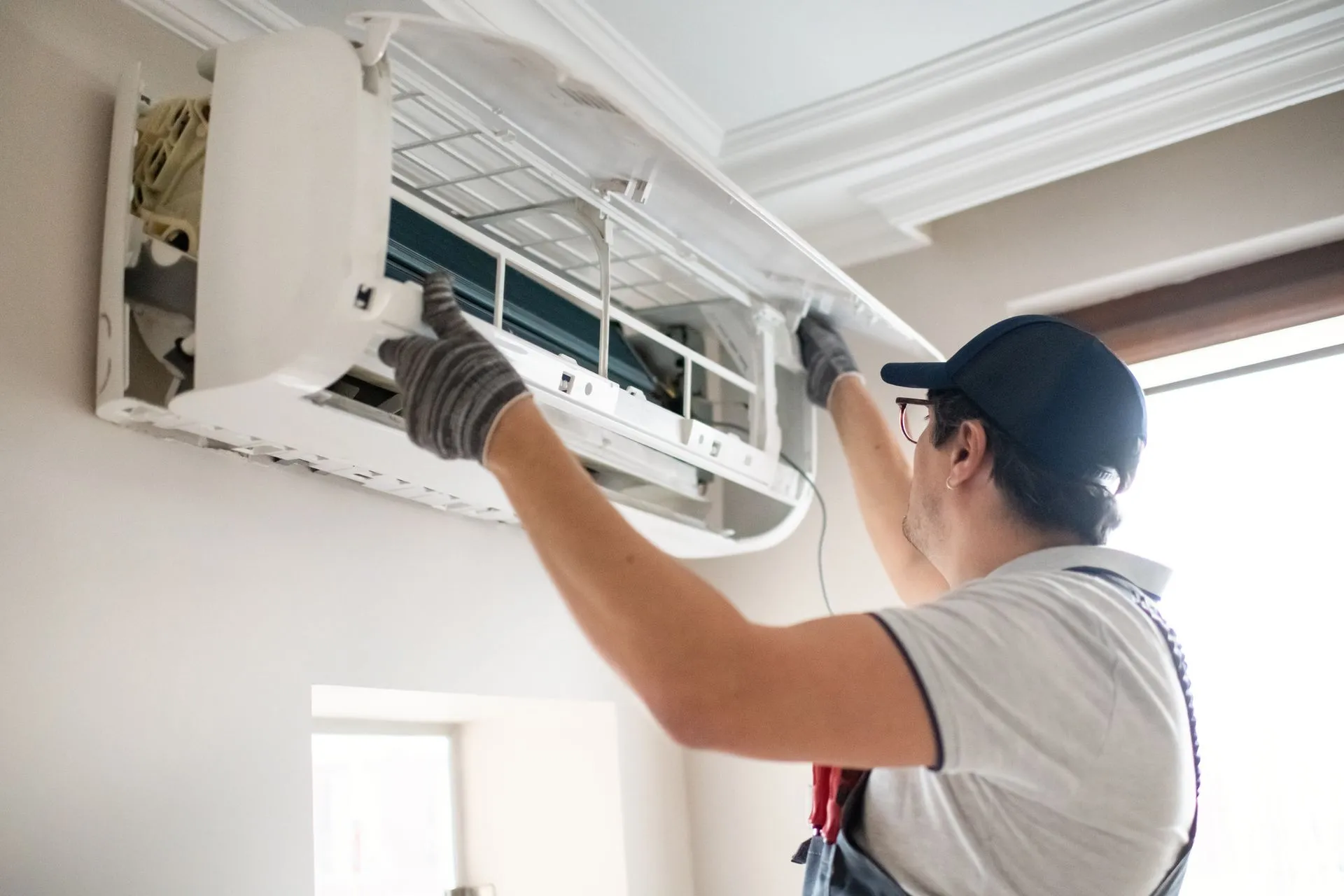
When summer arrives in Boston, having a reliable air conditioner can make a big difference in your home. Warm and humid days can quickly become uncomfortable, especially when your existing cooling system is old, inefficient, or unable to keep up with the temperature. If you are considering a new cooling system, professional air conditioner installation in Boston can help you create a more comfortable indoor environment while improving the overall efficiency of your HVAC system.
Installing a new air conditioner is more than simply placing a unit outside and connecting it to your existing system. The size of your home, existing ductwork, insulation, electrical setup, and cooling requirements all need to be considered. A properly installed system can provide consistent cooling and help prevent many problems that may occur when an air conditioner is incorrectly installed.
When Should You Consider a New Air Conditioner?
Not every cooling problem means you need a complete replacement. However, there are several signs that may indicate it is time to install a new air conditioning system.
If your air conditioner is more than 10 to 15 years old, it may no longer operate as efficiently as newer models. You may also notice that your energy bills are increasing even though your usage has not changed significantly. Frequent repairs, unusual noises, weak airflow, and rooms that remain warm while others are cool can also indicate that your current system is reaching the end of its useful life.
Another common reason homeowners consider replacement is an outdated system that uses older technology or refrigerant. Newer air conditioners are designed with improved efficiency and modern features that can provide better temperature control.
Before replacing your system, an HVAC professional can inspect the existing equipment and determine whether repair or replacement makes more sense for your home.
Choosing the Right Air Conditioner for Your Home
One of the most important parts of the installation process is choosing the correct system size. Bigger does not always mean better when it comes to air conditioning.
An oversized air conditioner may cool a home quickly, but it may not run long enough to properly remove humidity from the indoor air. On the other hand, a system that is too small may need to run continuously to reach the desired temperature. This can increase energy consumption and put additional strain on the equipment.
A professional HVAC technician can evaluate your home and consider factors such as square footage, insulation, windows, ceiling height, ductwork, and your home's layout before recommending a suitable system.
Homeowners may also need to choose between different types of cooling systems. Central air conditioning is a common option for homes with existing ductwork. Ductless mini-split systems can be useful for homes or additions where traditional ductwork is not practical. The best choice depends on your property and cooling needs.
Why Professional Installation Matters
Proper installation plays a major role in the performance of an air conditioner. Even a high-quality system may not perform properly if it is installed incorrectly.
During professional air conditioner installation in Boston, technicians typically inspect the existing HVAC setup, prepare the installation area, connect the necessary components, and test the system before completing the job. They can also identify problems with ductwork, electrical connections, drainage, or airflow that could affect the new system.
Correct installation can also help your air conditioner operate efficiently. When the system is properly sized, connected, and configured, it can provide more consistent cooling throughout the home.
Professional installation is also important because modern air conditioning systems have specific installation requirements. Refrigerant connections, electrical components, airflow, and safety controls need to be handled correctly. Working with an experienced HVAC professional helps ensure that these components are installed according to manufacturer requirements and applicable standards.
Preparing Your Home for Installation
There are a few things homeowners can do before the installation appointment to make the process easier.
First, make sure the technicians have clear access to the indoor and outdoor areas where the equipment will be installed. Remove furniture, boxes, or other items that may block access to the HVAC equipment.
If you are replacing an existing air conditioner, ask your HVAC contractor whether any existing components can be reused. In some cases, ductwork or other parts of the system may be suitable for the new equipment. In other situations, upgrading these components may improve the performance of the new air conditioner.
It is also a good idea to discuss thermostat options before installation. A modern programmable or smart thermostat can provide more control over your home's cooling schedule and temperature settings.
What Happens During an AC Installation?
The exact installation process can vary depending on the type of system and the condition of your existing HVAC setup. Generally, the process begins with an assessment of the property and existing equipment.
The technician will determine where the indoor and outdoor components should be installed. If an old system is being replaced, the existing equipment will be removed before the new system is positioned.
The indoor and outdoor components are then connected. Depending on the system, this may include refrigerant lines, electrical connections, condensate drainage, ductwork, and thermostat wiring.
After the installation is complete, the system should be tested carefully. The technician may check airflow, temperature performance, electrical connections, refrigerant levels, drainage, and thermostat operation. This final testing helps identify potential problems before the system is put into regular use.
How to Maintain Your New Air Conditioner
Once your new system has been installed, regular maintenance can help keep it operating properly.
One of the simplest maintenance tasks is replacing or cleaning the air filter according to the manufacturer's recommendations. A dirty filter can restrict airflow and make the system work harder.
Keep the outdoor unit free from leaves, branches, grass clippings, and other debris. Good airflow around the outdoor condenser is important for proper operation.
It is also worth scheduling professional HVAC maintenance. During a maintenance visit, a technician can inspect important components, check the system's performance, and identify potential issues before they become larger problems.
Regular maintenance does not eliminate the possibility of repairs, but it can help you stay ahead of common problems and maintain reliable cooling.
Understanding the Cost of AC Installation
The cost of a new air conditioner can vary considerably from one home to another. Several factors can affect the final price, including the type and size of the system, installation complexity, existing ductwork, electrical requirements, and whether additional HVAC components need to be replaced or upgraded.
Instead of choosing an air conditioner based only on the lowest installation price, homeowners should consider the overall value of the system. A properly sized and professionally installed air conditioner may provide better comfort and efficiency over its service life.
When requesting an estimate, ask what is included in the installation. A detailed estimate should make it easier to understand the equipment, labor, required modifications, warranty information, and other associated costs.
Get Professional Help With Air Conditioner Installation
A new air conditioner is an important investment in your home's comfort. Choosing the right equipment and having it installed correctly can make a noticeable difference in how effectively your home stays cool during the warmer months.
If your current system is old, requires frequent repairs, or struggles to cool your home, it may be worth having an HVAC professional evaluate your options. Professional air conditioner installation in Boston can help ensure that your new system is properly sized, correctly installed, and ready to provide reliable cooling.
Whether you are replacing an aging central air conditioner or considering a new cooling system for your home, start with a professional assessment. The right installation approach can help you avoid unnecessary problems and get the most from your new HVAC system.
Frequently Asked Questions
1. How long does air conditioner installation take?
The installation time depends on the type of air conditioner and the condition of the existing HVAC system. A straightforward replacement may take several hours, while a more complicated installation involving ductwork or electrical modifications can take longer.
2. How do I know what size air conditioner my home needs?
An HVAC professional can evaluate your home's size, insulation, windows, layout, ductwork, and other factors to determine the appropriate system capacity. Choosing the correct size is important for both comfort and efficiency.
3. Can I replace my old air conditioner without replacing the entire HVAC system?
In some cases, yes. However, compatibility between the new air conditioner and existing components should be checked before installation. An HVAC technician can determine whether your current equipment can work effectively with the new system.
4. How often should an air conditioner be serviced?
Annual professional maintenance is commonly recommended. Scheduling maintenance before the cooling season can give a technician an opportunity to inspect the system and address potential issues.
5. Is central air conditioning a good option for Boston homes?
Central air can be a practical option for homes with suitable ductwork. However, every property is different. Homes without existing ductwork may benefit from alternatives such as ductless mini-split systems.
6. Why is my new air conditioner not cooling properly?
If a newly installed system is not providing adequate cooling, there could be an issue with airflow, thermostat settings, installation, ductwork, or another component. Contact the HVAC professional who installed the system so it can be inspected and tested.
7. How can I make my new AC more efficient?
Regular filter replacement, professional maintenance, proper thermostat settings, clean outdoor equipment, and good insulation can all contribute to efficient operation. Proper system sizing and installation are also important factors.