
The Boston Cooling Hub: Your Complete Guide to Keeping Cool in the Northeast
Your cooling system isn't something you install and forget about. From the day it goes in to the day it gets replaced, every decision you make — maintenance you schedule, repairs you approve, warning signs you catch or ignore — directly affects your comfort, your energy bills, and how many years you actually get out of the equipment.
Boston homeowners deal with conditions that push cooling systems harder than most people realize. Summer humidity that forces your AC to run overtime. Some of the highest electricity rates in the country. An aging housing stock where retrofitted ductwork and undersized systems are the norm, not the exception. The homeowners who stay ahead of that reality — who treat cooling as a lifecycle, not a one-time purchase — are the ones who aren't scrambling for an emergency appointment in July. This guide is your roadmap. Whether you're maintaining a system that's running fine, diagnosing one that isn't, or weighing whether to repair or replace, start here.
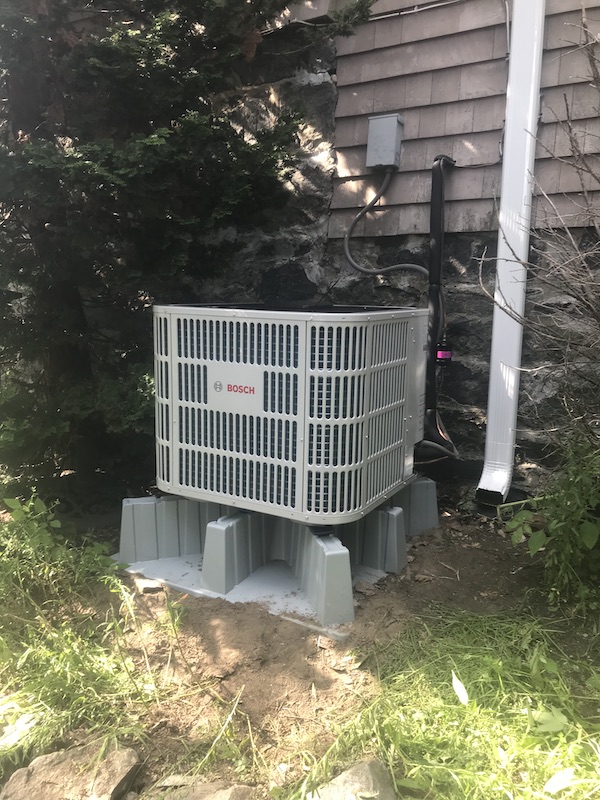
Prevention — The Foundation
The single best thing you can do for your cooling system is maintain it before something breaks. Prevention isn't exciting — nobody brags about their annual tune-up — but it's the reason some systems run strong for 20 years while others fail at 10.
In Boston, where pollen counts spike hard in spring, humidity stays elevated through September, and urban dust is constant, wear happens faster than homeowners expect. Maintenance isn't optional here. It's the baseline. And there's a clear line between what you can handle yourself and what requires a licensed HVAC technician with the right tools and refrigerant certifications.
Boston's climate puts unique stress on cooling systems. High humidity forces your AC to work overtime, while pollen and city grit clog coils and filters faster than you'd think. Factor in the region's older homes with retrofitted ductwork, and annual professional maintenance becomes essential — not optional. A proper tune-up catches failing parts, restores efficiency, and prevents the kind of mid-summer breakdown that lands you at the back of a two-week wait list.
Read the Full Guide
Some maintenance you can and should do yourself — swapping filters monthly, clearing leaves and debris from the outdoor condenser, making sure supply vents aren't blocked by furniture. But refrigerant level checks, electrical testing, evaporator coil cleaning, and condensate drain line clearing require professional tools and EPA certification. Knowing where the DIY line ends keeps you from voiding warranties, causing accidental damage, or missing the early warning signs that only a trained technician would catch.
Read the Full GuideNeed AC Service in Boston?
Upfront pricing. Same-day appointments. 25+ years of experience.
Troubleshooting — When Something's Off
Even well-maintained systems eventually show signs of trouble. The key is knowing how to read those signs — and understanding the difference between a system that's struggling and one that's dying. Strange noises, weak airflow, short cycling, rising utility bills, unusual smells: these aren't random inconveniences. They're your system telling you something.
The homeowners who act on these signals early spend hundreds on a straightforward repair. The ones who wait — hoping it'll resolve itself, putting it off until next month — spend thousands on an emergency AC replacement.
Not every AC problem means you need a new system. Most issues — strange sounds, performance drops, short cycling — have straightforward fixes when caught early. The 50% rule gives you a clear framework: if the repair costs less than half of what a new system would run, it's usually worth fixing. Factor in the unit's age, warranty status, and refrigerant type (R-22 systems are significantly more expensive to service now). A good technician will give you an honest assessment of whether a repair makes financial sense — even if it means a smaller invoice for them.
Read the Full GuideDecision Making — The Upgrade
There comes a point where repairing stops being the smart financial move. Recognizing that moment — before you've sunk thousands into a system that's past its useful life — is where real savings happen. This isn't about being pressured into a purchase. It's about looking at the full picture: age, repair history, efficiency ratings, comfort levels, and what modern equipment can actually deliver compared to what you're running now.
Most central AC systems last 10–15 years. In the Northeast, where equipment sits idle through long winters then gets pushed hard through demanding summers, that window can be shorter. Once your unit crosses the 12-year mark, every repair should be weighed against the cost of a new system. Watch for the "money pit" pattern — stacking multiple repairs in a single season that together approach replacement cost. Systems still running on phased-out R-22 refrigerant face an even steeper equation, since recharging alone can run hundreds of dollars per pound. On the upside, modern systems offer dramatic efficiency gains — upgrading from a 10 SEER unit to 16 SEER can cut cooling energy use by nearly 40%. And options like ductless mini-splits make efficient cooling accessible even in older Boston homes that were never built for ductwork.
Read the Full Guide
Cooling System Types for Boston Homes
Not every home cools the same way, and Boston's mix of triple-deckers, Colonials, condos, and new construction makes that especially true. Understanding your options helps you make a smarter call when it's time to install or replace.
Central Air Conditioning
The standard for homes with existing ductwork. Central air delivers efficient, whole-home cooling — but it's only as effective as the duct system it runs through. Leaky or undersized ducts can waste 20–30% of your conditioned air before it ever reaches the rooms you're trying to cool.
Heat Pumps
Heat and cool from a single system. Increasingly popular across New England thanks to major efficiency improvements and Mass Save rebates that can significantly offset the upfront cost. Modern cold-climate heat pumps perform well even in Boston winters — making them a compelling year-round solution.
Ductless Mini-Splits
The go-to solution for older homes, additions, converted attics, or multi-family buildings where running ductwork isn't practical. Zone-by-zone control means you cool the rooms you're actually using, and efficiency ratings are among the highest available. If your home doesn't have ducts, this is where most contractors will steer you — and for good reason.
High-Velocity Systems
Small-diameter ducts that thread through old walls and ceilings without major renovation — systems like SpacePak and Unico. A niche solution, but a genuine game-changer for historic Boston properties where preserving original architecture matters.
Each of these options deserves a deeper dive — and we'll be covering them individually. But knowing what's available puts you in a stronger position when a contractor walks through your door with a recommendation. If you're not sure which system type fits your home, give us a call — we're happy to walk you through the options with no pressure and no obligation.
- Boston's humidity, pollen, and high electricity rates make proactive AC maintenance essential — not optional.
- Know the DIY line: filter changes and debris clearing are on you, but refrigerant and electrical work require a licensed pro.
- Use the 50% rule — if a repair costs more than half the price of a new system, replacement usually makes more sense.
- Systems over 12 years old or still running R-22 refrigerant deserve a serious replacement conversation.
- Ductless mini-splits and heat pumps have made efficient cooling accessible for older Boston homes without existing ductwork.
- Acting early on warning signs saves hundreds. Waiting turns a simple repair into an emergency replacement.
Frequently Asked Questions
At minimum, once a year — ideally in spring before you need it. Boston's pollen, humidity, and urban dust accelerate wear on coils, filters, and drain lines. An annual tune-up catches small problems before they become mid-summer emergencies. If your system is older than 10 years, a fall check-up is worth considering too.
Most central air conditioning systems last 10–15 years with proper maintenance. In the Northeast, the cycle of long idle winters followed by high-demand summers can shorten that window. Units that skip annual maintenance or run on older R-22 refrigerant tend to age faster.
Use the 50% rule as your starting point: if the repair costs more than half of what a new system would cost, replacement is usually the better investment. Also consider the unit's age, how many repairs you've already done this year, and whether it still uses R-22 refrigerant. A trustworthy HVAC contractor will walk you through the math honestly.
The most common warning signs include unusual noises (grinding, buzzing, clicking), weak or warm airflow, short cycling (turning on and off frequently), rising energy bills without a change in usage, and strange smells from the vents. Any of these warrants a professional inspection — catching them early is almost always cheaper than waiting.
Yes. Service Right, LLC provides 24/7 emergency HVAC service across the Boston metro area. If your AC goes down on a 95-degree weekend, you don't have to wait until Monday. Call us at (617) 784-3020 and we'll get a technician to you as quickly as possible.
You have options. Ductless mini-split systems are the most popular choice — they deliver powerful, zone-by-zone cooling without any ductwork at all. High-velocity systems like SpacePak use small-diameter tubing that fits inside existing walls with minimal renovation. Both are well-suited to Boston's older housing stock. We can help you figure out which approach makes sense for your home.
A thorough tune-up typically includes checking and topping off refrigerant levels, cleaning the evaporator and condenser coils, inspecting electrical connections, testing the thermostat, clearing the condensate drain line, checking airflow, and evaluating overall system performance. It's the single best investment you can make in your system's longevity and efficiency.
Jolly was incredibly professional and responsive. I needed an HVAC technician on very short notice during the winter, and after calling multiple companies, he was the only one able to come out the same day. He communicated clearly, explained the issue in a way that was easy to understand, and followed up to make sure everything was resolved. I would absolutely work with him again.
Areas We Serve
Ready to Take Control of Your Comfort?
Call or Request a Quote
Reach us at (617) 784-3020 or fill out our form for a free, no-obligation estimate.
Schedule Service
We'll find a time that works for you — same-day and emergency appointments available.
We Handle It
Upfront pricing, experienced technicians, and work done right the first time.